
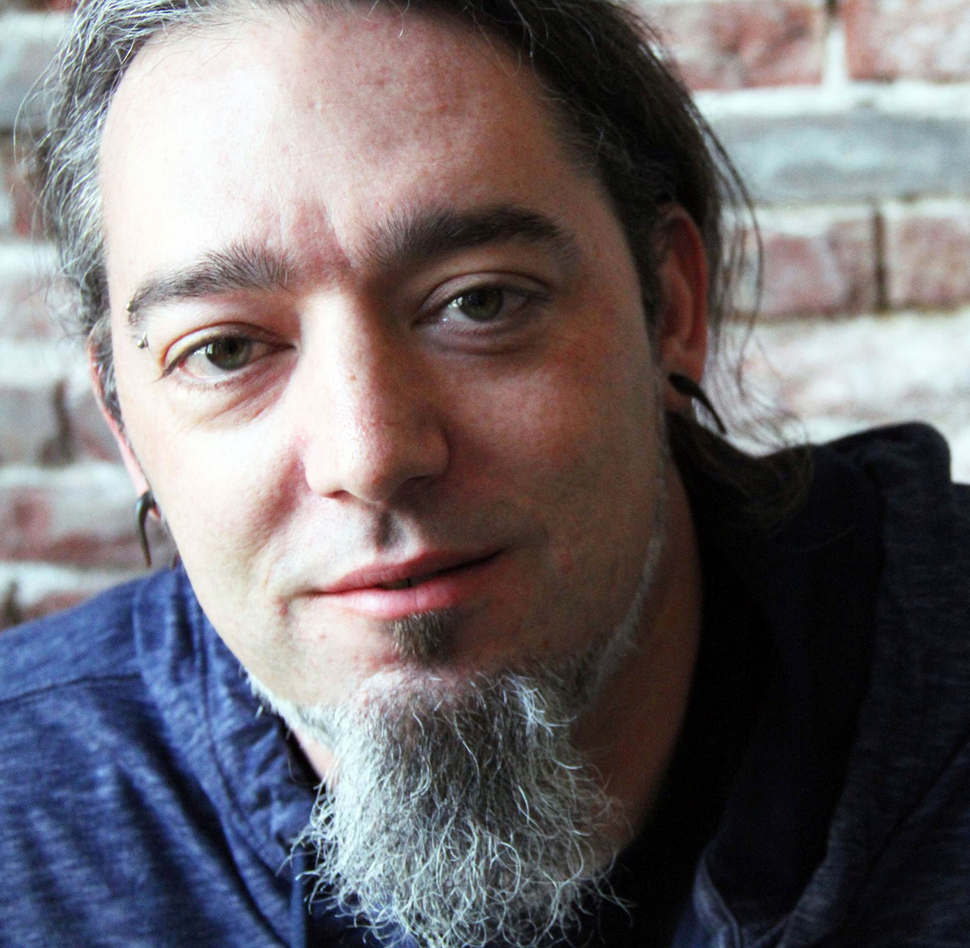
Chris has spent his life bearing witness to the possibility of hope in a world that has legitimate reasons to question God’s goodness. Originally from Omaha, Nebraska, Chris studied at Asbury University in Kentucky before moving to India where he was mentored by Mother Teresa for three years. While living in India, he helped launch South Asia’s first pediatric AIDS care home–creating a safe haven for children impacted by the global pandemic. A forerunner in the New Friar movement, Chris and his wife Phileena served with the Word Made Flesh community for nearly 20 years, working for women and children victimized by human traffickers in the commercial sex industry. His vocation has taken him to over 70 countries working among the most vulnerable of the world’s poor. In 2012 Phileena and Chris launched Gravity, a Center for Contemplative Activism.
Contributions
- March 22, 2011: The Callousing of Morality
- May 6, 2011: A Post-bin Laden Reflection on Violence
- August 7, 2013: "God is Innocent" : Rwamasirabo on the Genocide in the Church at Nyange, Rwanda
- September 26, 2014: The Dangers of Hashtag Activism
- April 28, 2015: Finding Hope in Nepal